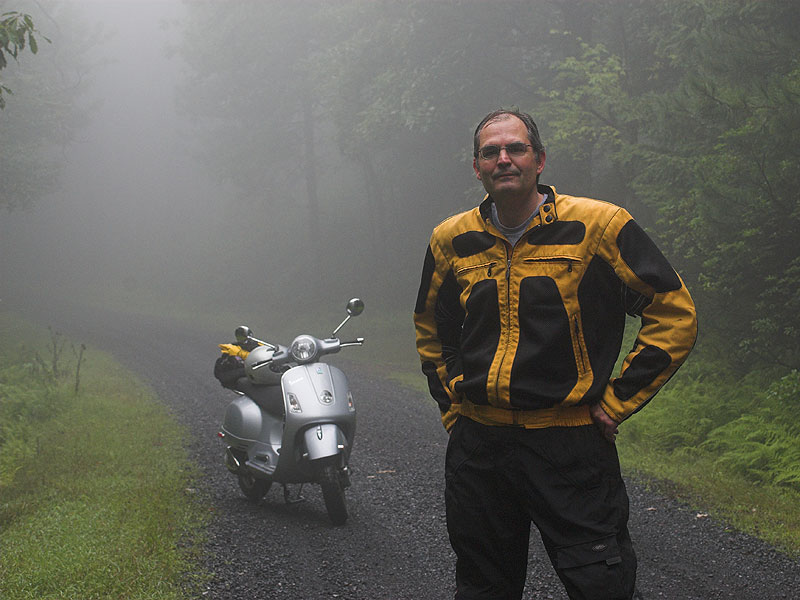
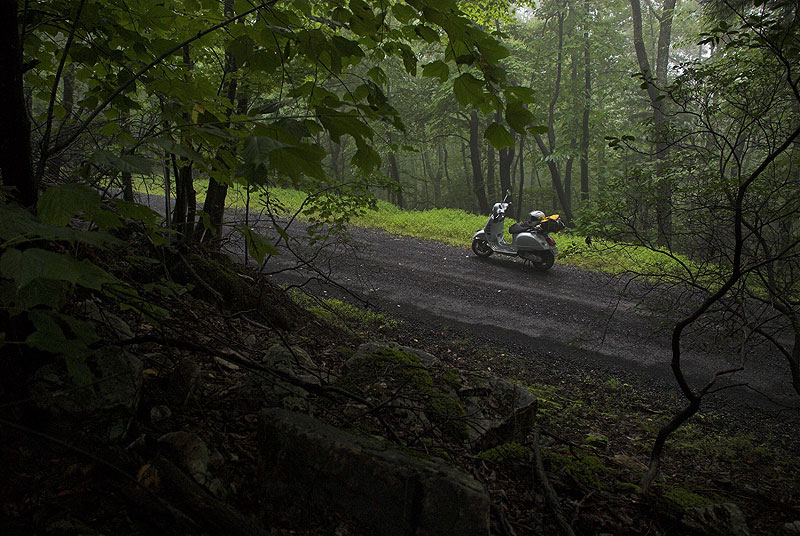
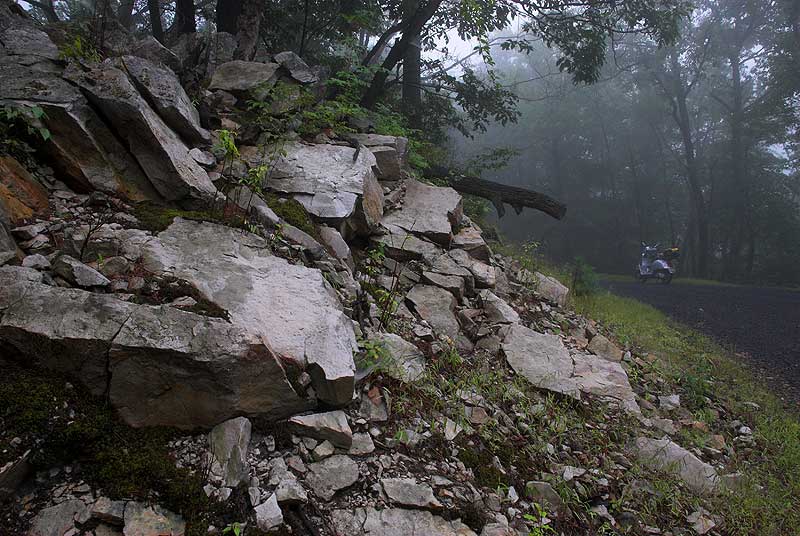
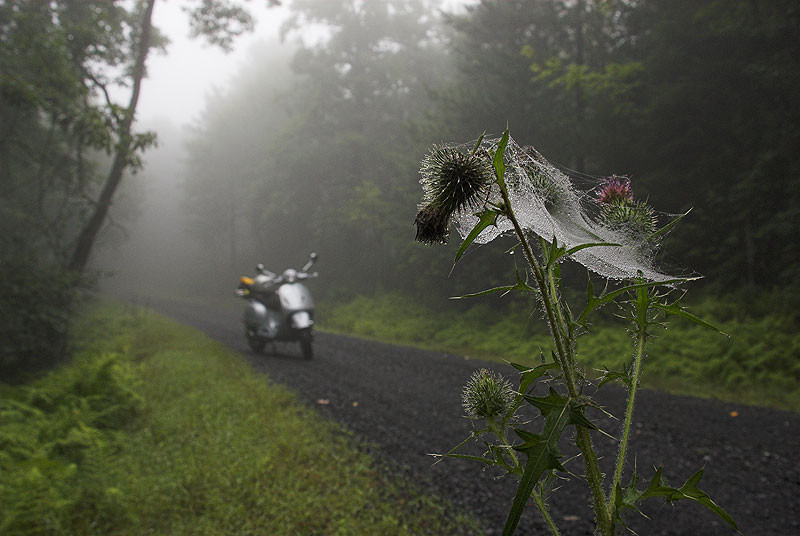
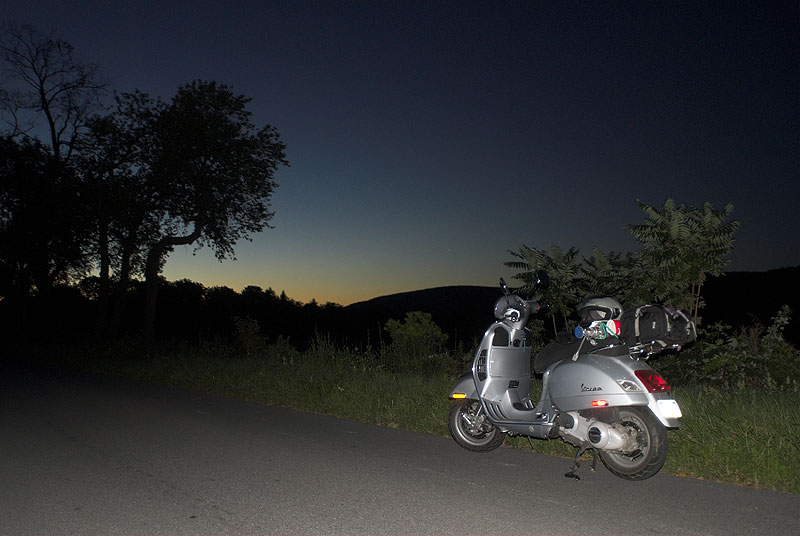
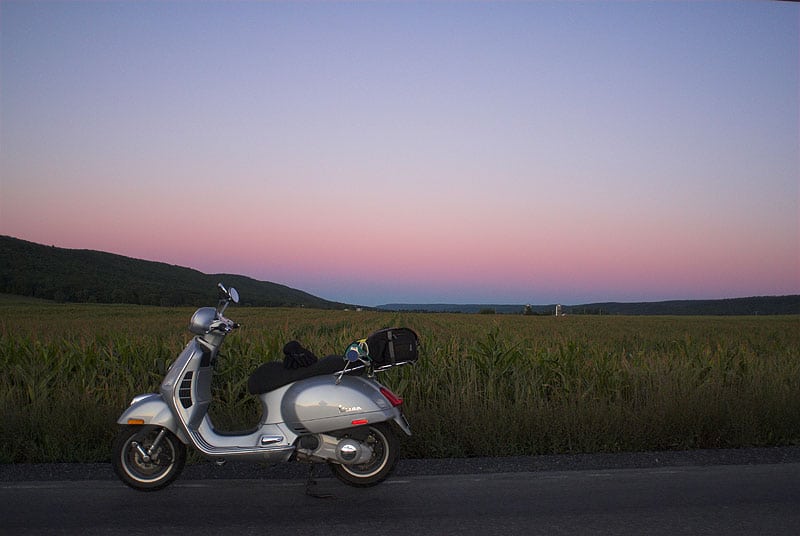
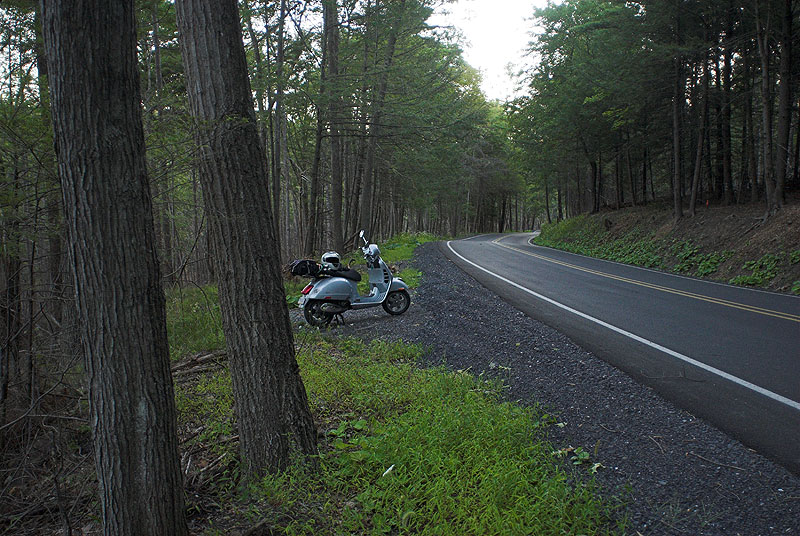
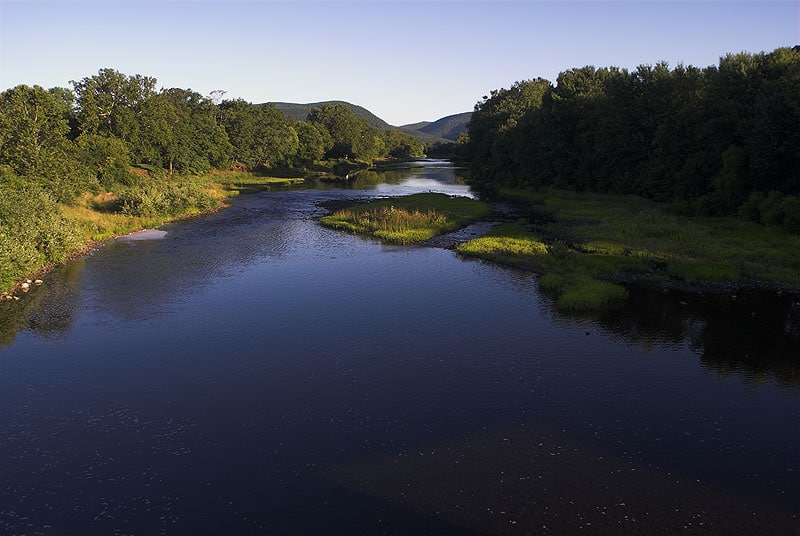
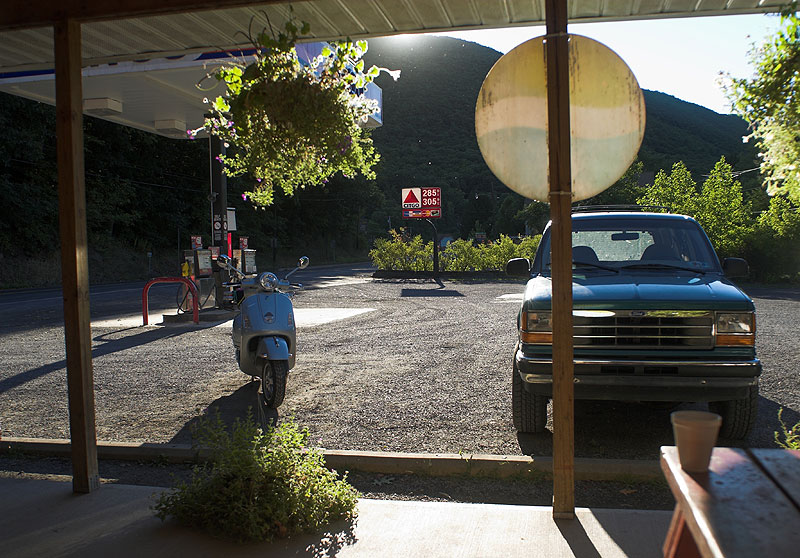
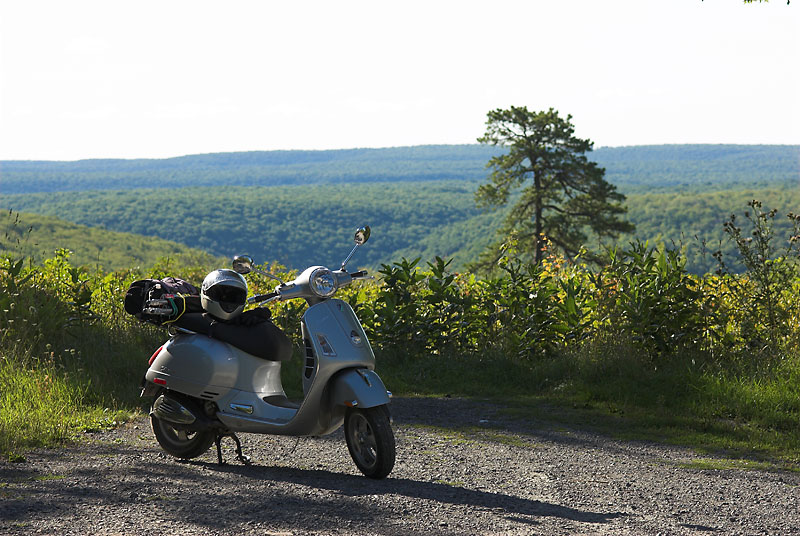
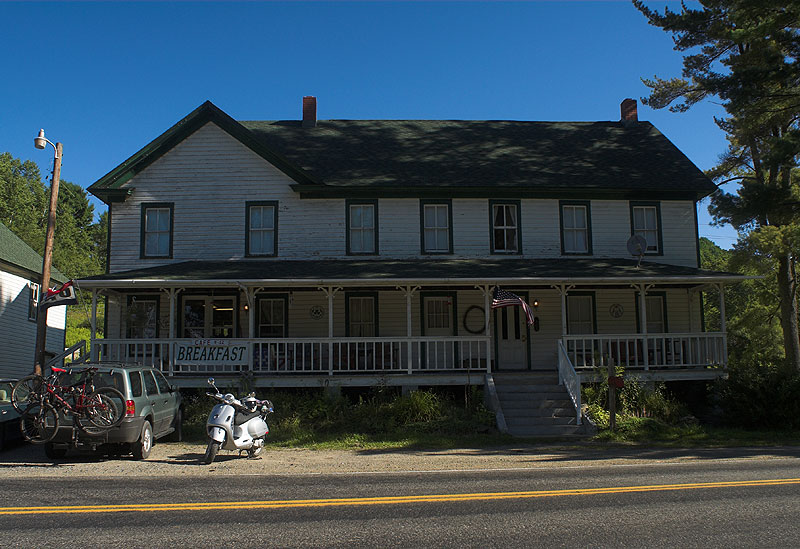
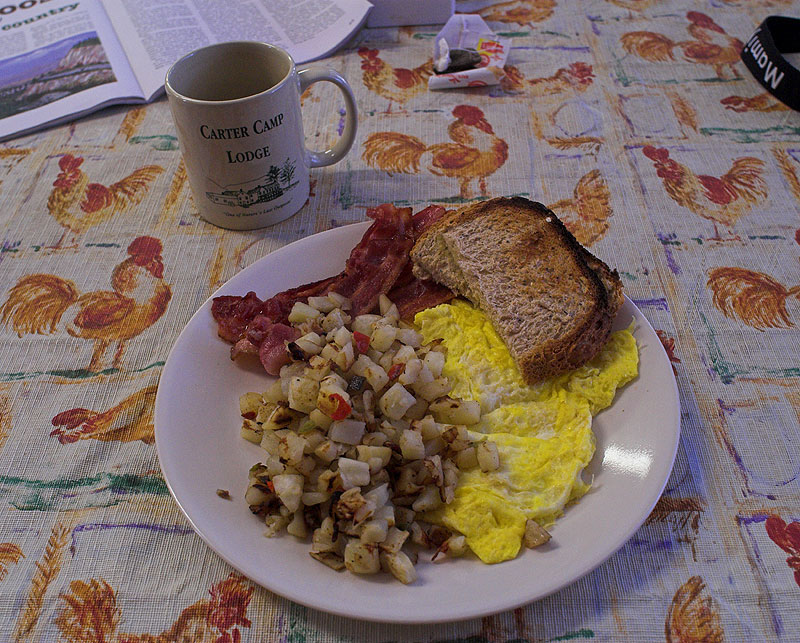
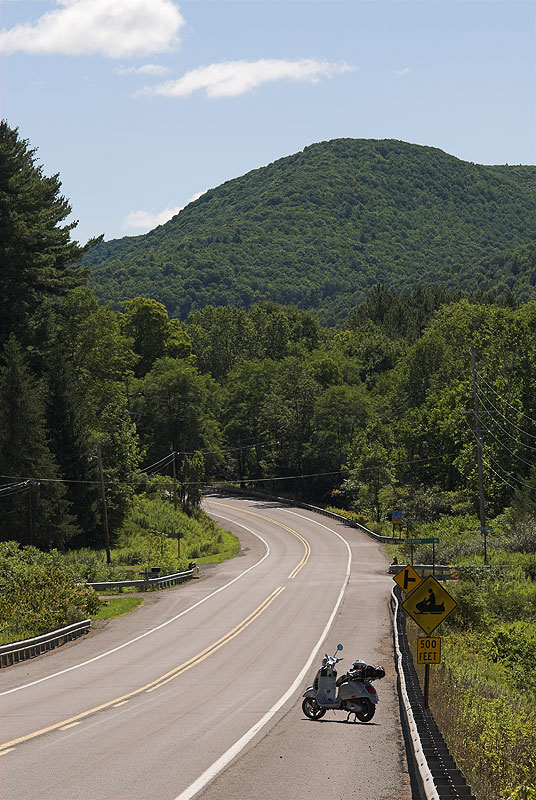
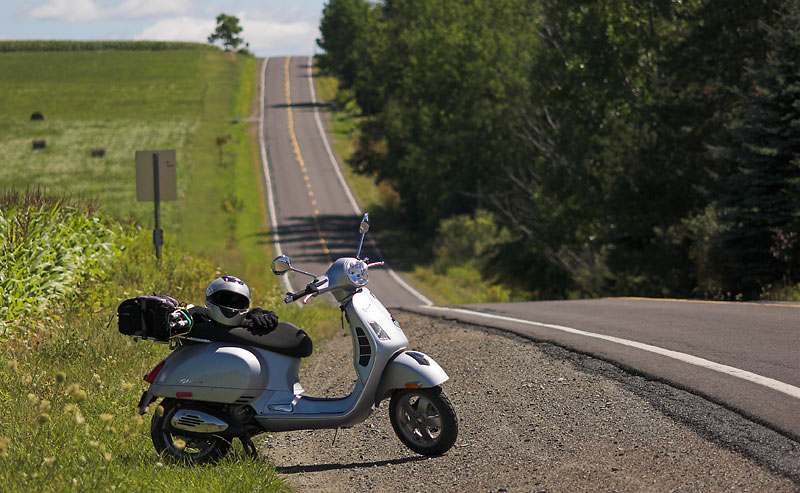
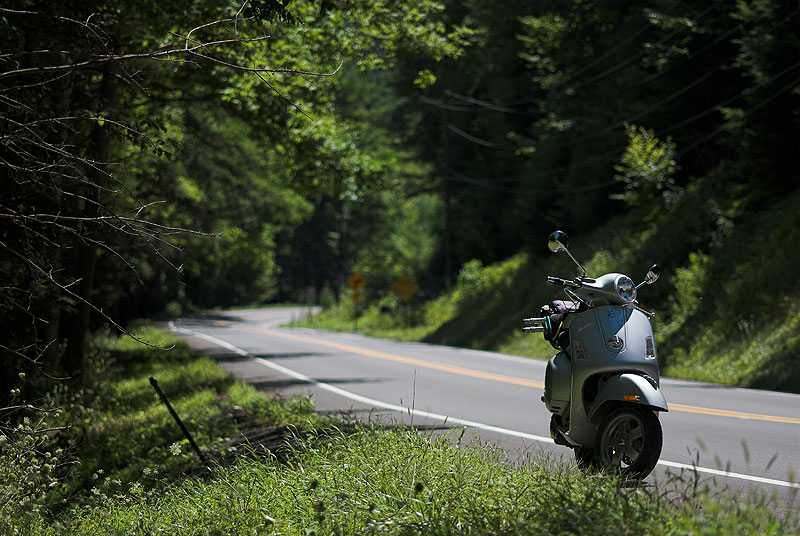
 This past Saturday I decided to ride back to Pittsburgh to visit the places where I grew up and dust off memories. Over 300 miles but the time I returned home. I was on the road at 5:30 AM in order to make the most of the day. The first couple hours the temperature never exceeded 54° F and twice dropped to 48° in some low wooded places. I thought I dressed warm enough but again missed the mark and should have worn my winter riding jacket. I just hate taking it knowing the thermometer will reach 80° later in the day.
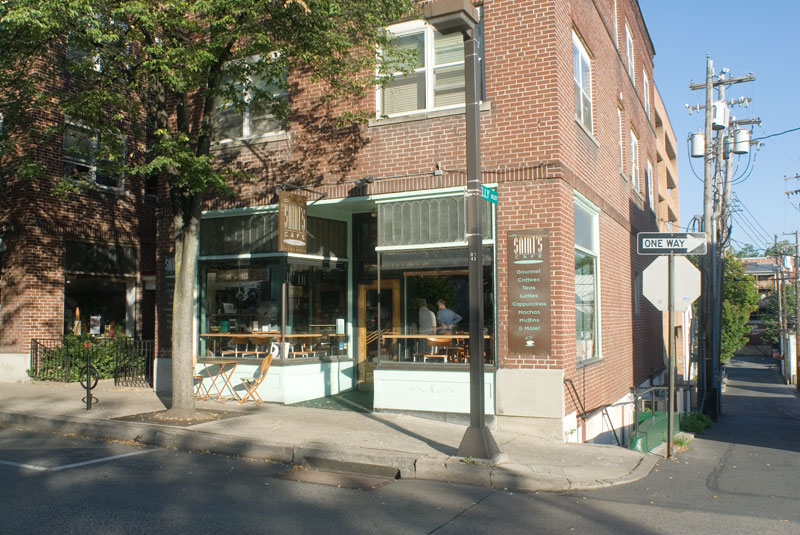
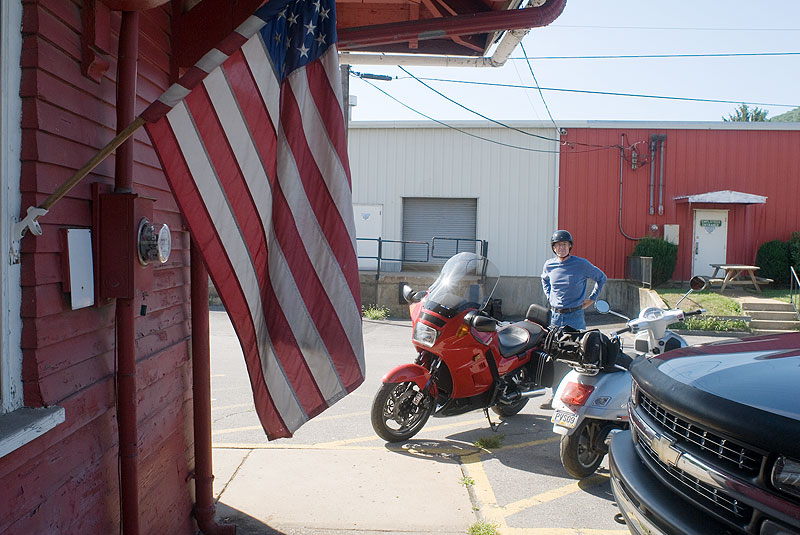
I made a stop at a Sheetz convenience store to warm up a bit. While standing outside sipping hot chocolate I struck up a conversation with a man interested in the Vespa. He’s in his mid 70’s and tells me he just bought a Honda Rebel, downsizing because of recent double knee replacement surgery. He wanted to keep riding though. I was glad I ran into him and it was good to hear the riding spirit can weather medical and aging challenges.
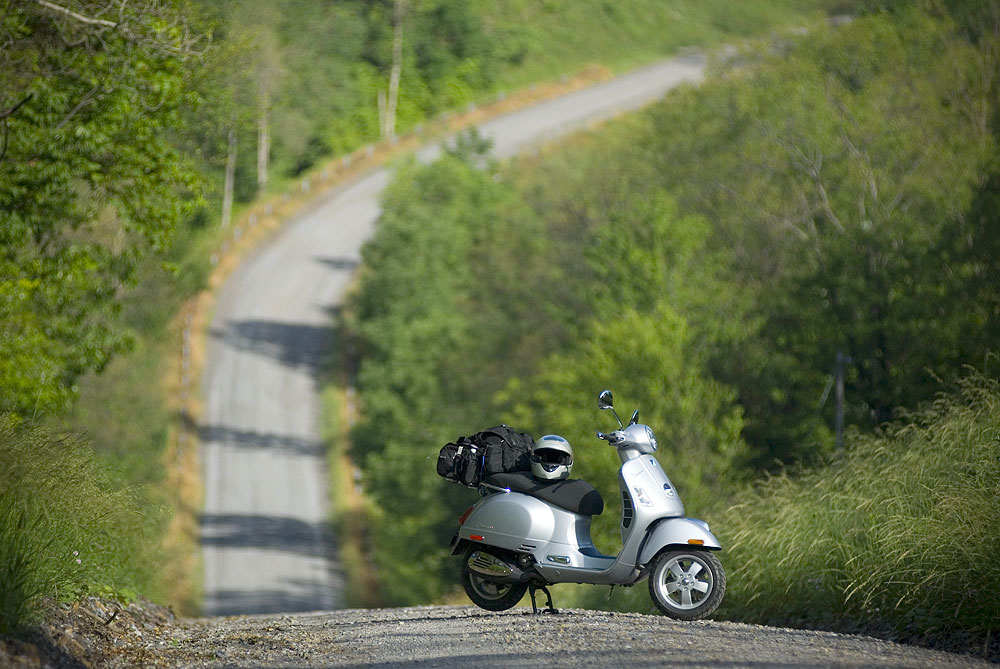
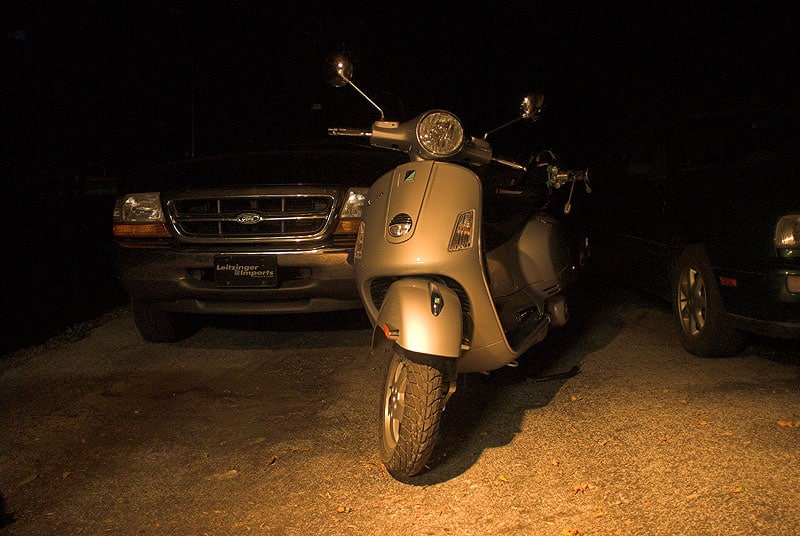
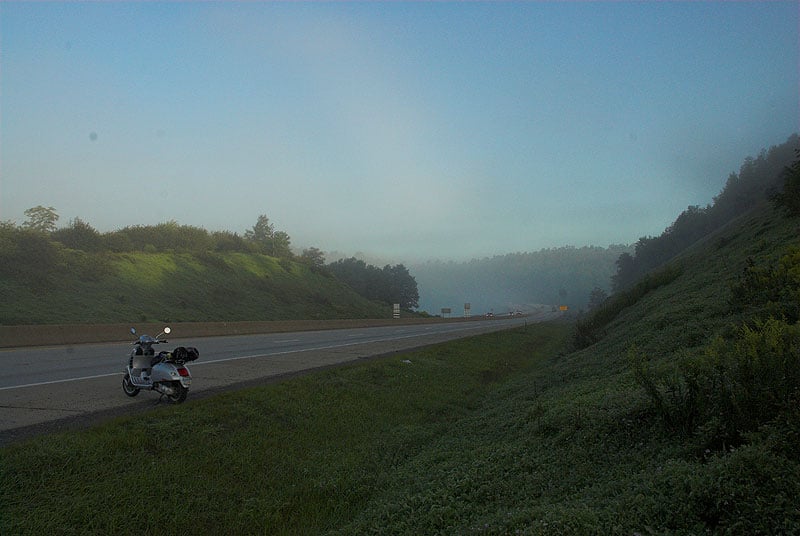 Warmed a bit I wanted to get to Pittsburgh as quickly and directly as possible rather than my usually wandering routes. US 22 was the quickest path to the city and four-lane highway the whole way. The Vespa GTS 250 easily moved along at 60 to 70 MPH the whole way until exiting into Pittsburgh. I never felt an obstacle to traffic or unsafe. Without a windscreen you feel the trip as the wind hits you square in the chest. I like the reminder that I’m moving.
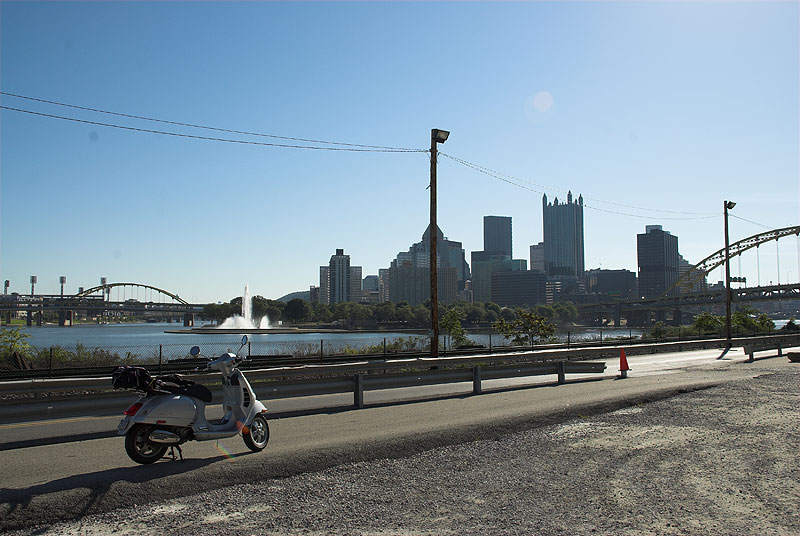 The Pittsburgh skyline has changed a lot since I grew up in the area. The blast furnaces that used to frame the eastward approach are gone. I rode through the city on surface streets but I wasn’t too interested in spending much time there. I wanted to ride on to Neville Island, the place I grew up.
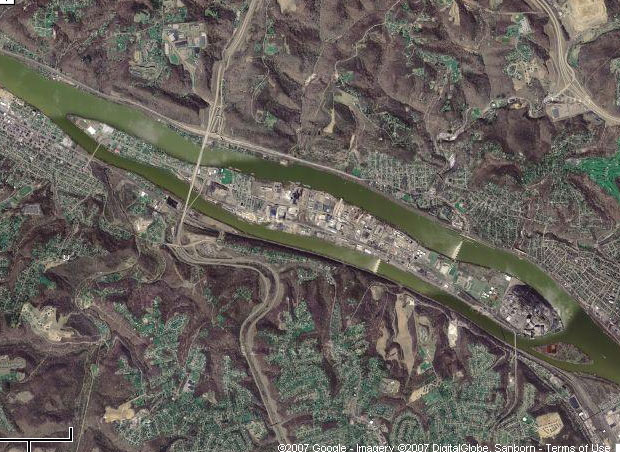 Neville Island is five miles long and less than a half mile wide. When I lived there we had our own school, fire and police departments, stores, and industry. Lots of industry employing tens of thousands of workers. Three quarters of the island was industrial — blast furnaces, coke ovens, foundries, chemical plants, trucking depots, oil and gas farms, galvanizing plants, steel fabrication, and shipyards.
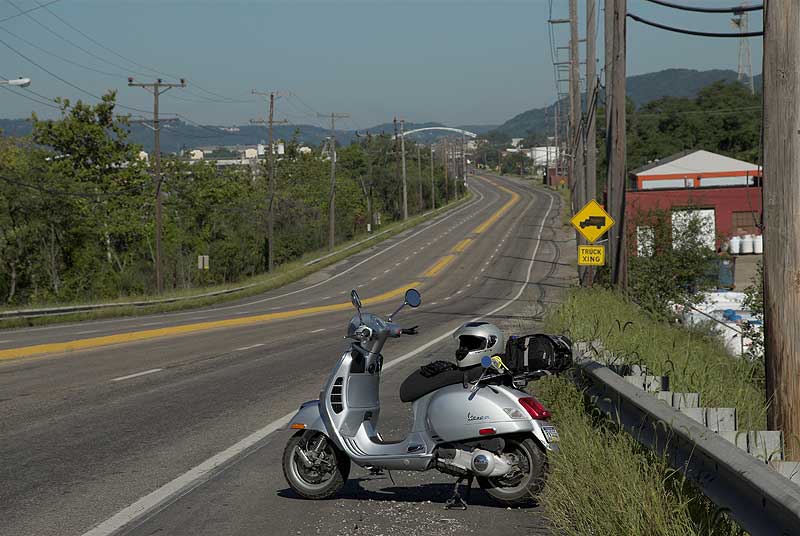 Crossing over onto the island I was greeted by the smell of chemicals, gas and other industry flavors. I remembered that smell from 44 years ago. I stopped to look down Grand Avenue, a four-lane road with a 35 MPH speed limit that looked exactly the same.
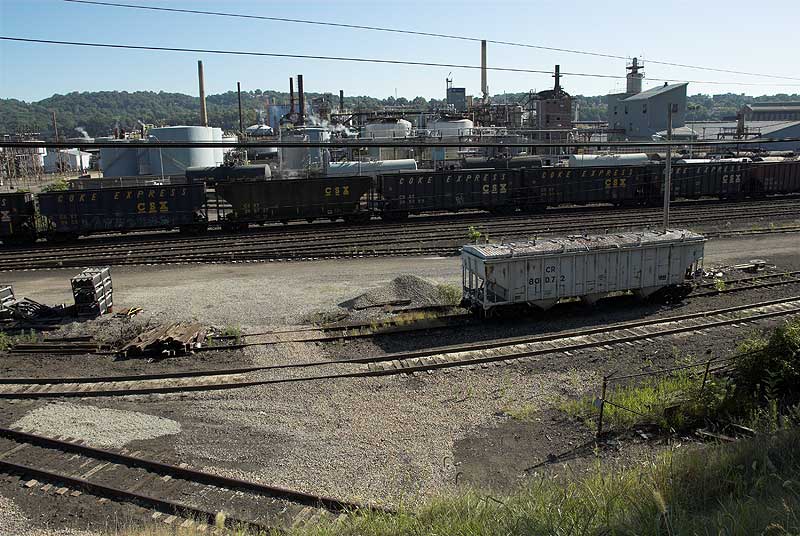 Looking around the blast furnaces are gone and the once well worn through use workspaces now appeared closer to neglect and indifference. Where once everything was alive with activity now seemed quiet. For me only ghosts and memories.
I stopped at the site of the old Shenango Foundry where my father worked for over 30 years as a millwright. Standing at the gate I remembered bringing him dinner with my mother when he worked a double shift.
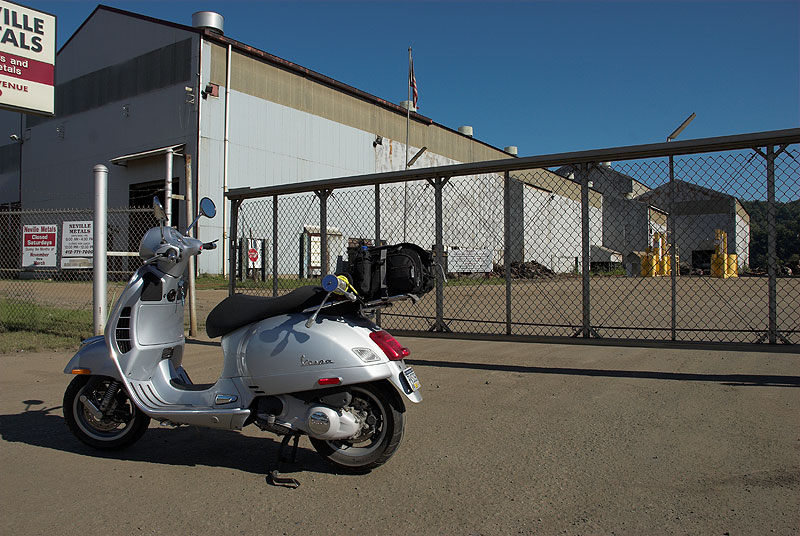 He would come out to the road with his face black with soot and dirt. This place was a foundry then producing ingot molds for the steel industry. I would look off into the buildings and see the orange glow and smoke of steel being poured from ladle cars brought down by train from the blast furnaces at the end of the island. It was a magical place to me as a kid. I never set foot inside. The foundry has long been closed and all that’s left are shadows. Men spent their lives here in hard labor for good wages. I see something different than the camera when I look at the place.
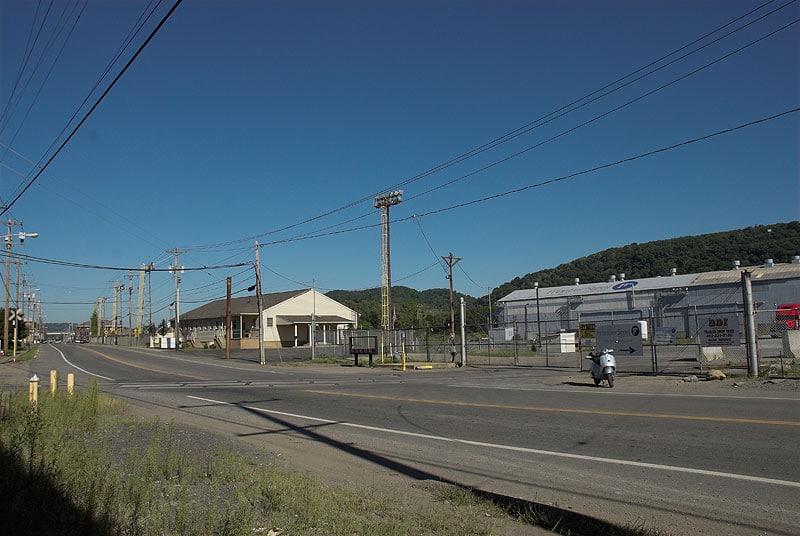 Just down the road is the Dravo Shipyard where I worker as a welder over 30 years ago building river barges and towboats. During World War II the company produced destroyer escorts and ships to land tanks.
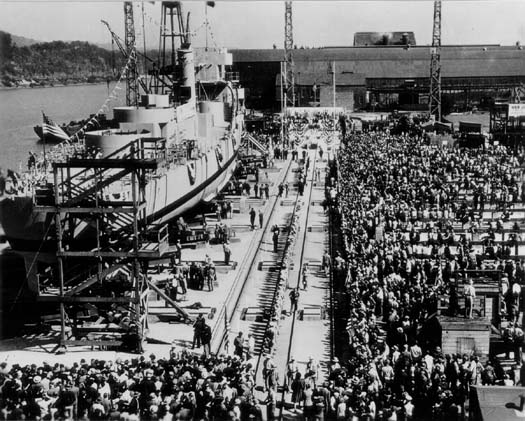 When I worked there the yard worked three shifts seven days a week. Thousands were employed here. Looking out across the yard for a moment I catch a glimpse of the place as it was before it fades in the bright sun. So many lives played out here. Some were lost here. Contributions to a better world are just gone. It feels like sacred ground to me.
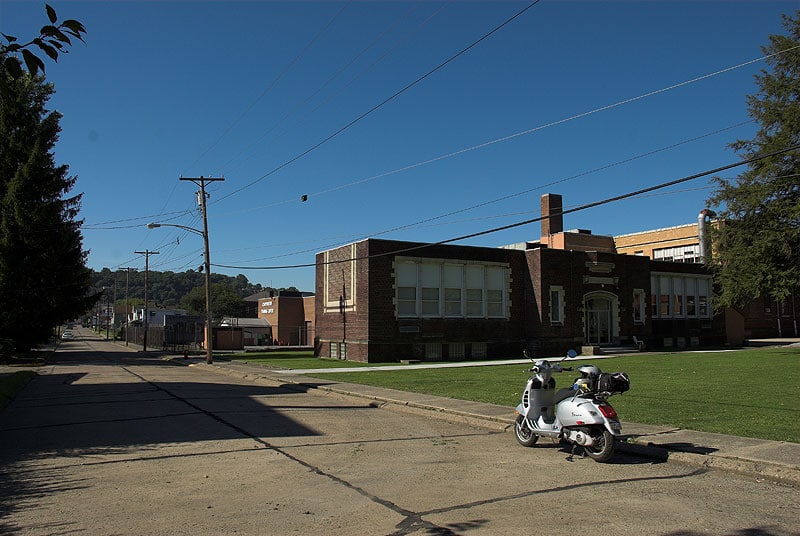 Along the river just on the other side of the shipyard is the Neville School. It’s smaller than I remember. Our community had its own kindergarten through 12th grade school. And a football team— the Neville Rivermen. The bus that brought us to school in the morning would take us home for lunch. That’s how small the place was. The decline in industry changed everything here. All along the river would be barges tied up waiting to move up and down the river.
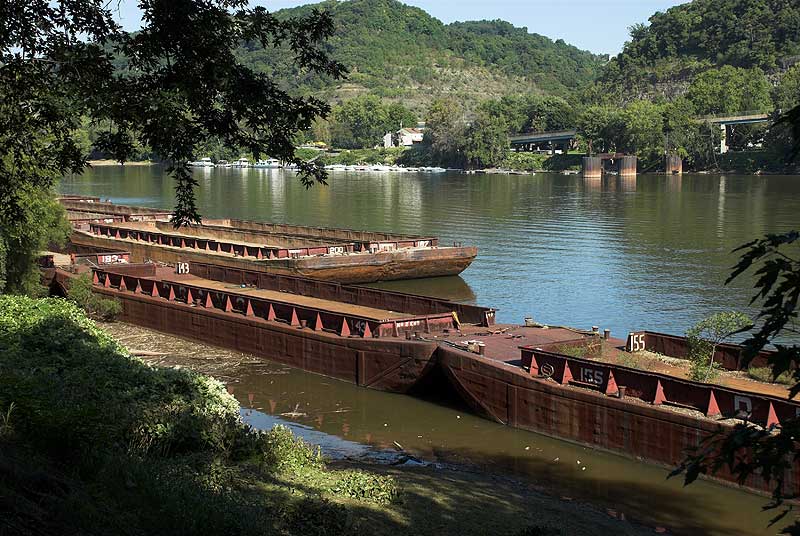 There are still barges there though these may not move again. Trees growing in them don’t bode well for their future. I may have helped build one of these Dravo barges.
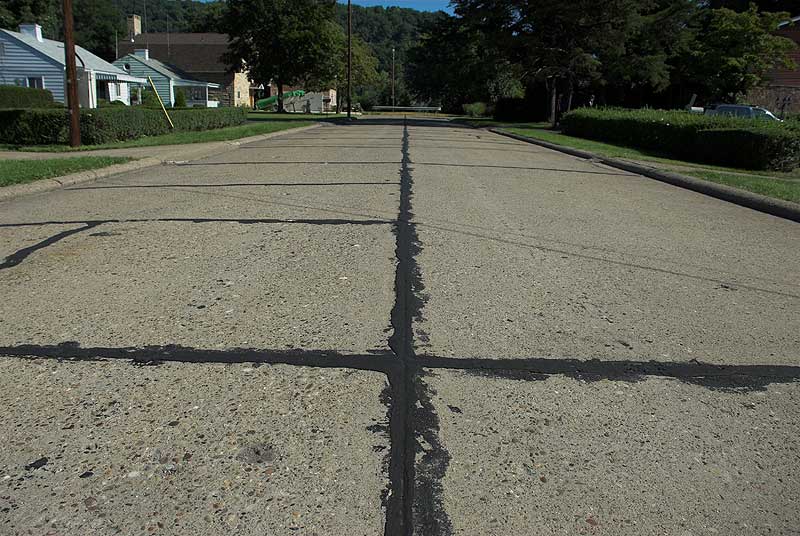 The house I grew up in was a mile down the road on Idaho Street. The same concrete street running to the riverbank was there. The same tar seams I used to sit next to on hot days and poke tar bubbles were there.
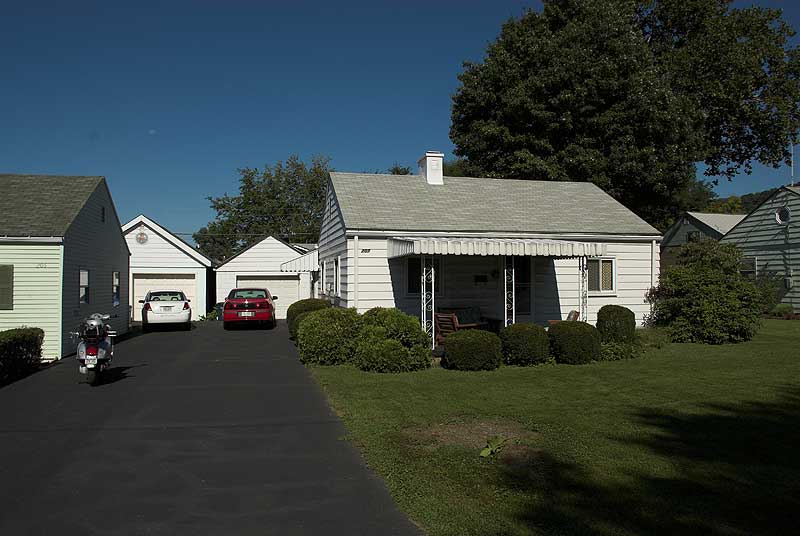 We lived in this tiny Gunnison home built by United States Steel in 1950. A two-bedroom house built on a 24×30 concrete slab. I knocked on the door and found the man my father sold the house to in 1963. He invited me in to look around and I couldn’t believe how tiny it was. Back then to my kid eyes it was spacious.
 The barbeque my father built in the backyard was still there like an anonymous monument to him. Standing there everything seemed small and far away and I just wanted to go home.
The GTS performed flawlessly all day and the trip provided me with an opportunity to push the envelop in city and freeway riding at longer than normal distances. By the time I got home I had put 320 miles on the scooter in 11 hours. Running through Pittsburgh on the parkway towards home gave me a chance to assess how the Vespa did among aggressive drivers. It had more than enough power to travel along in the mess and I was surprised how well the suspension absorbed the sudden potholes without complaint. By the time I entered the Squirrel Hill Tunnel I felt as if I had graduated to neophyte urban rider.
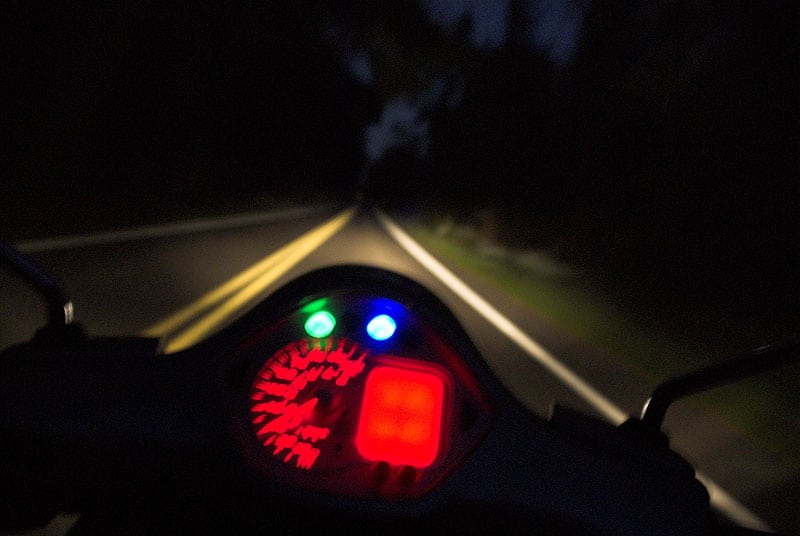
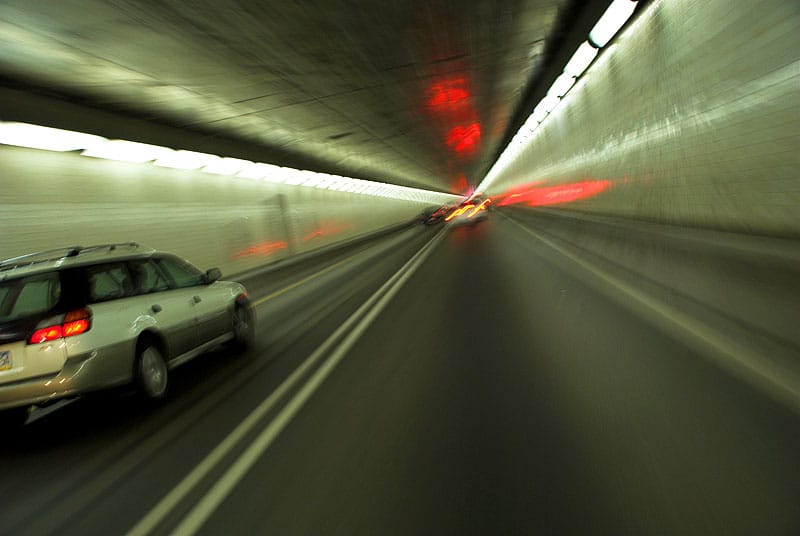 Going through the tunnel at 60 MPH with one hand on the throttle and the other on the shutter button probably wasn’t the smartest thing to do. As punishment for that forward progress ground to a crawl on the other side of the tunnel.
I was started to feel a little tired but still had another 130 miles to go so I fell into line with traffic not stopping until I had left the city far behind.
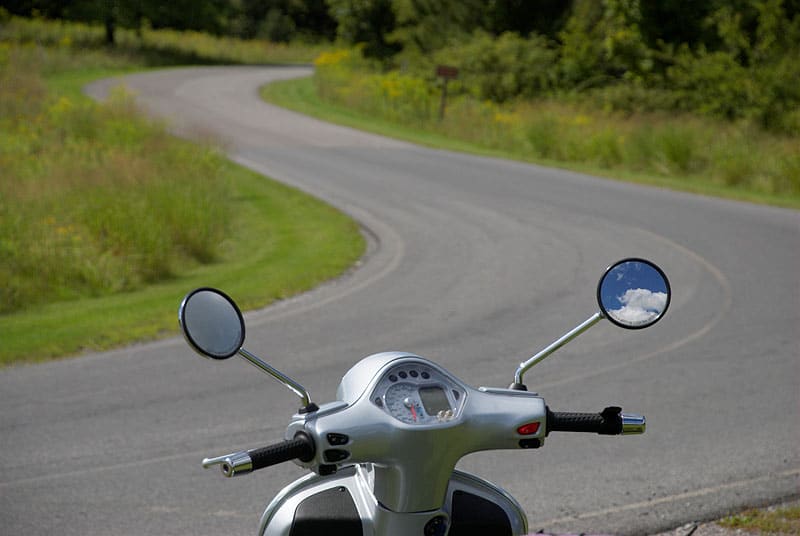 I had to stretch my back and backside for a few minutes and it was a relief to find a quiet place near the Allegheny Portage Railroad National Historic site.
The remainder of the ride was uneventful save for the growing discomfort in my backside. I felt as if 11 or 12 hours of riding in a day would be about my limit. Any lingering concerns about the touring capabilities of the Vespa GTS 250ie dissolved with this trip. It’s not the machine for everyone but it shouldn’t be pigeonholed as an around town errand runner either. It can handle long distances in its own way. It’s really up to the rider to decide what he or she is after.